
The packaging industry is undergoing a profound transformation. As we approach 2026, the convergence of tactile innovation and environmental responsibility is reshaping how brands present their products. No longer a mere container, the packaging box has become a critical touchpoint — a physical ambassador of brand values that consumers experience through their fingertips before their eyes.
This report examines the dual revolution driving packaging surface finishing: the rise of multisensory tactile experiences and the urgent pivot toward sustainable, eco-conscious materials and methods.
The Tactile Imperative: Why Touch Matters More Than Ever
In an increasingly digital world, physical touch has become a premium sensory experience. Research consistently shows that tactile interaction with packaging significantly influences perceived product value, brand trust, and purchase intent. A well-executed surface finish communicates quality before a single word is read.
Soft Touch Coating: The Quiet Luxury
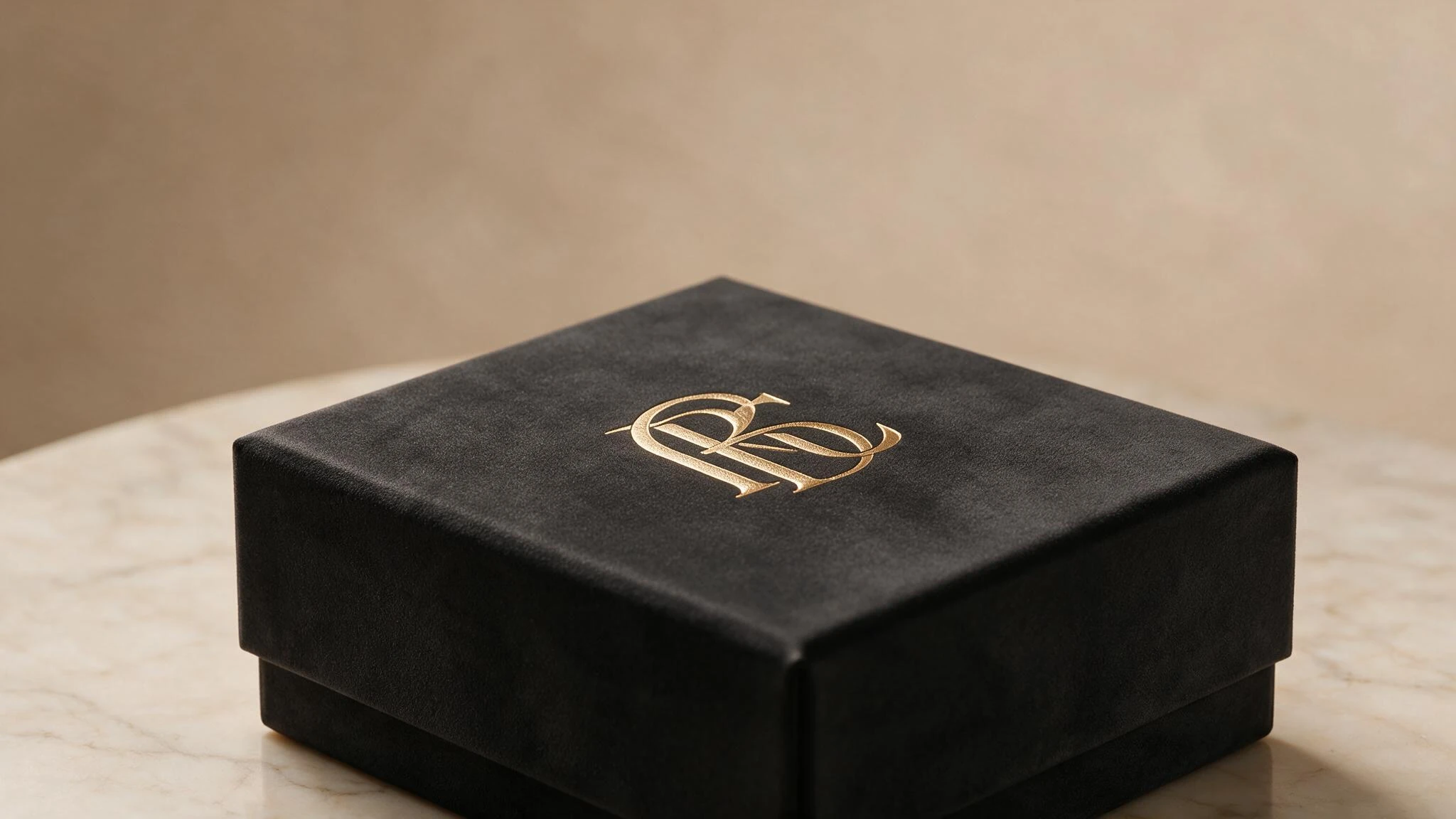
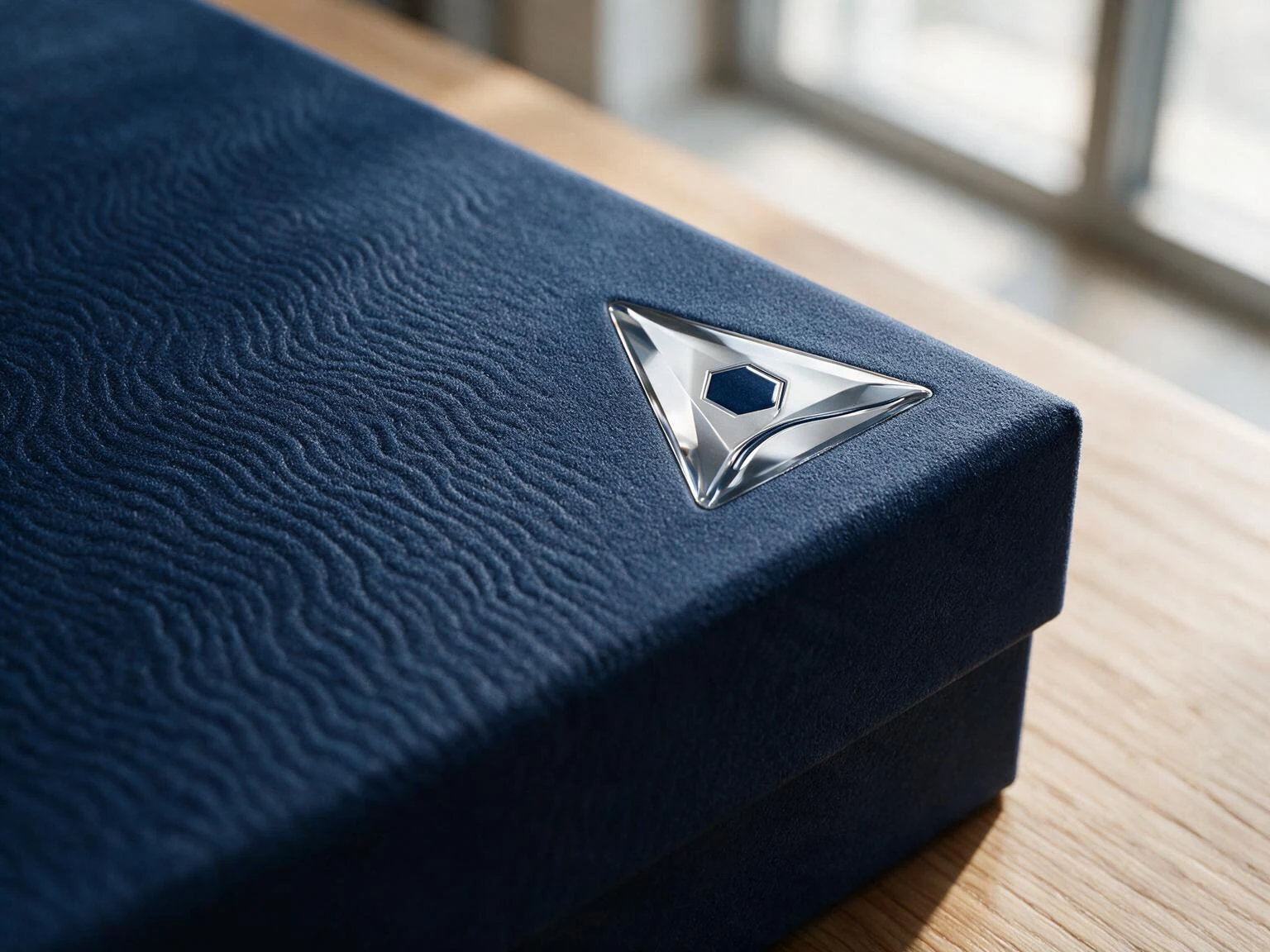
Soft touch coating continues to dominate as the defining finish of premium packaging. This velvet-like polyurethane or water-based coating creates a silky, almost suede-like surface that invites touch. By 2026, advances in formulation have eliminated the early concerns about fingerprint marking and scuffing, making soft touch viable for high-traffic retail environments. Brands in cosmetics, electronics, and spirits have embraced this finish to convey understated luxury.
Spot UV: Strategic Gloss Contrast
Spot UV coating applies a high-gloss, raised layer to specific areas of a matte or soft touch surface. This technique creates powerful visual and tactile contrast — the logo, brand name, or key design element literally rises off the surface. In 2026, the trend is toward increasingly intricate spot UV patterns, with fine-line detail that was impossible just a few years ago.
Haptic Textures and Embossing
Beyond simple coatings, brands are exploring engineered textures — geometric patterns, micro-ridges, fabric weaves, and natural grain textures molded directly into the substrate or applied as a finish layer. Paired with blind embossing (raised design without ink or foil), these textures create packaging that communicates through touch alone.
The Sustainability Revolution: Finishing That Does Not Cost the Earth
The second pillar of the 2026 surface finishing revolution is sustainability. Historically, many premium finishes came with environmental trade-offs — foil stamping involved metalized films, UV coatings were difficult to recycle, and soft touch coatings often contained VOCs. That is changing rapidly.
Water-Based and Bio-Based Coatings
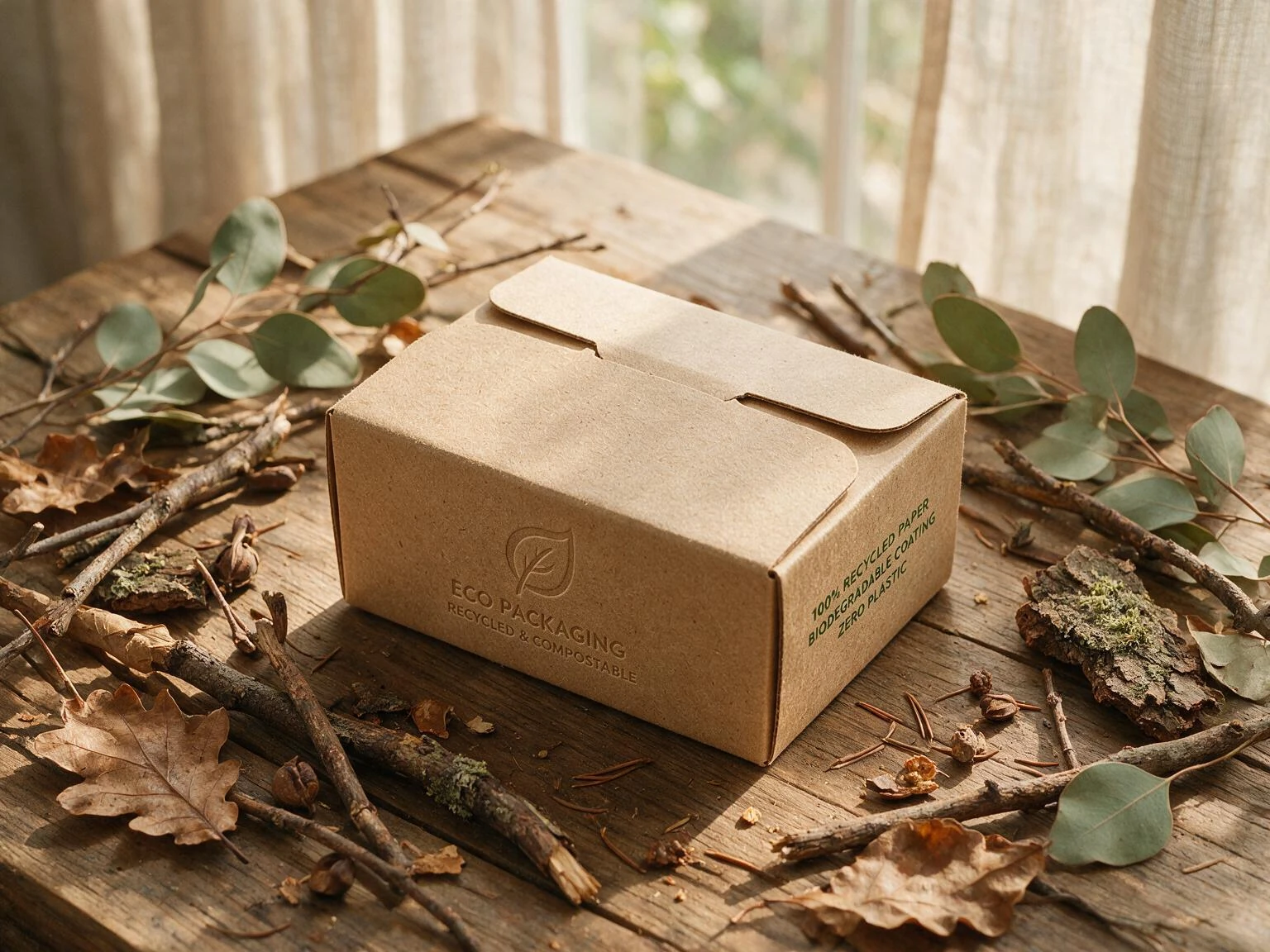
Water-based coatings have become the industry standard, offering excellent gloss and rub resistance without the volatile organic compounds (VOCs) of solvent-based alternatives. The next frontier is bio-based coatings — derived from renewable resources such as corn starch, cellulose, algae, or even mushroom mycelium. These materials can match or exceed the performance of petroleum-based coatings while being fully compostable.
Recyclable Metallic Effects
The desire for metallic shine — traditionally achieved through foil stamping or metallized films — is being met through new approaches. High-reflectivity metallic inks using encapsulated aluminum or bronze pigments can create a foil-like appearance without the non-recyclable plastic carrier film. These inks pass repulping tests and do not contaminate the recycling stream.
Minimalist Finishing: Less Is More
Perhaps the most significant sustainability trend is the intentional reduction of finishing altogether. Brands are allowing natural paper and board textures to shine, using uncoated surfaces as a deliberate aesthetic choice. When finishing is applied, it is targeted and minimal — a single spot gloss element on an otherwise uncoated natural kraft surface, for example.
Foil Stamping and Embossing: Reimagined for a New Era
Foil stamping and embossing remain the gold standard for premium brand presentation, and 2026 brings innovations that make these techniques more accessible and more sustainable.
Cold Foil vs. Hot Foil
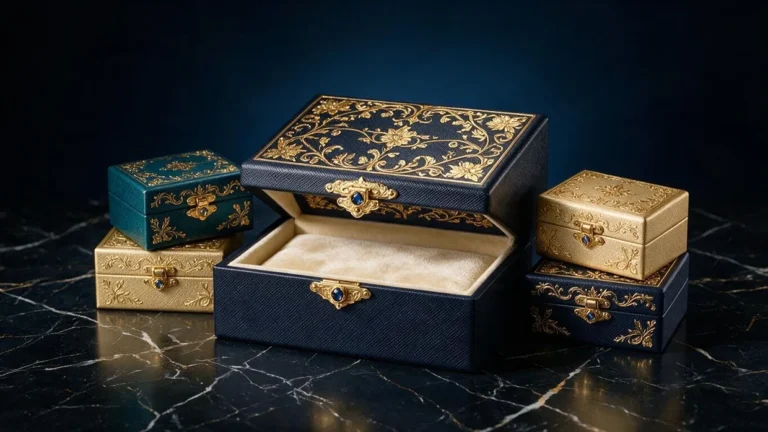
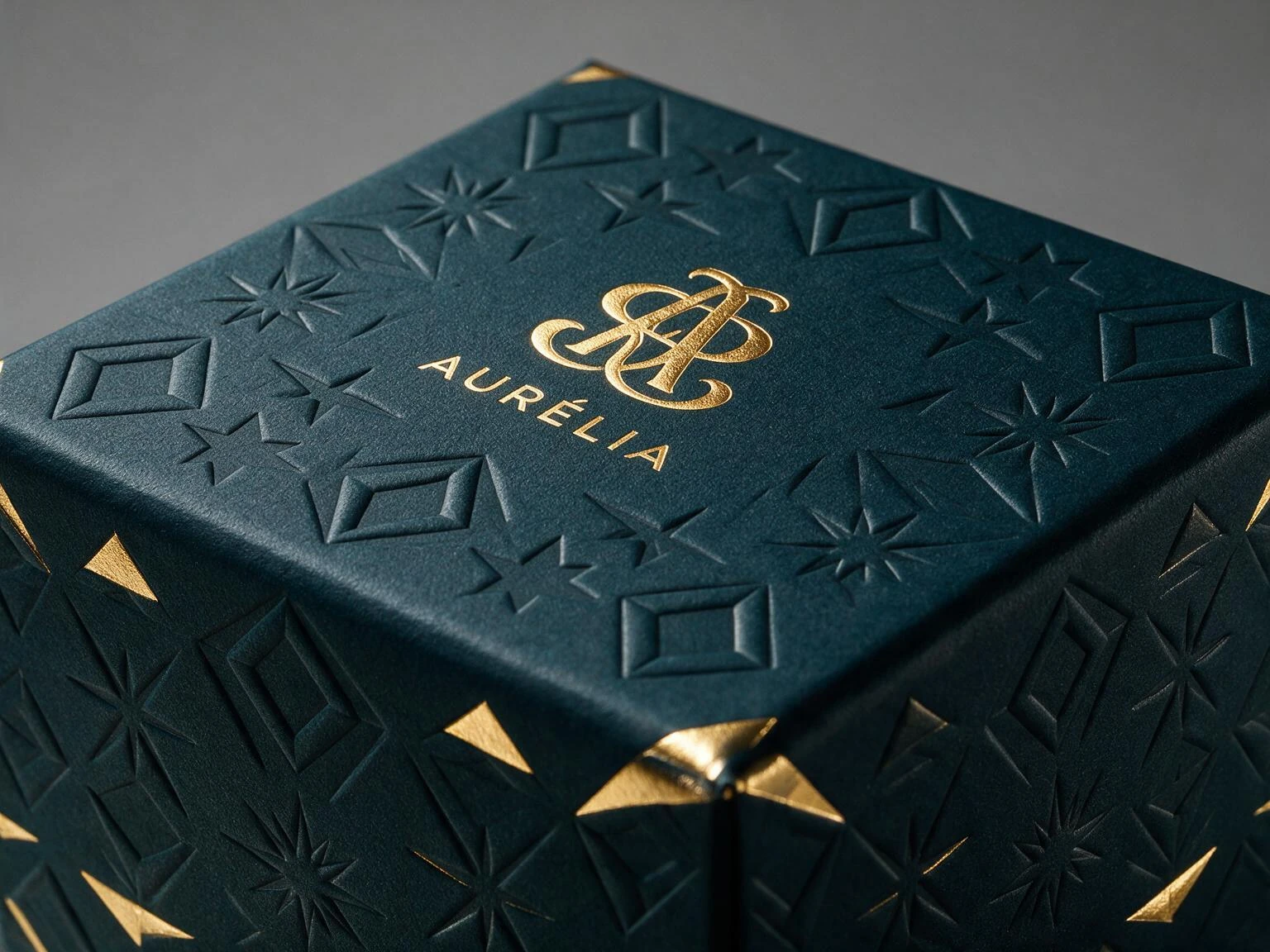
Cold foil stamping applies metallic foil using UV-cured adhesive, requiring no heated dies. It is faster, more energy-efficient, and better suited for fine detail and large foil areas. Hot foil stamping, while slower, delivers superior edge definition, deeper metallic reflectivity, and the ability to stamp deeper into thicker substrates. In 2026, many premium packaging applications combine both — using cold foil for large background areas and hot foil for crisp logo details.
Debossing with Precision
Debossing — pressing a design into the surface rather than raising it — has become a preferred technique for minimalist luxury. Advances in tooling allow crystal-clear debossing on recycled board grades, which were previously too inconsistent in density to hold fine detail.
Combination Finishing: The Multi-Sensory Approach
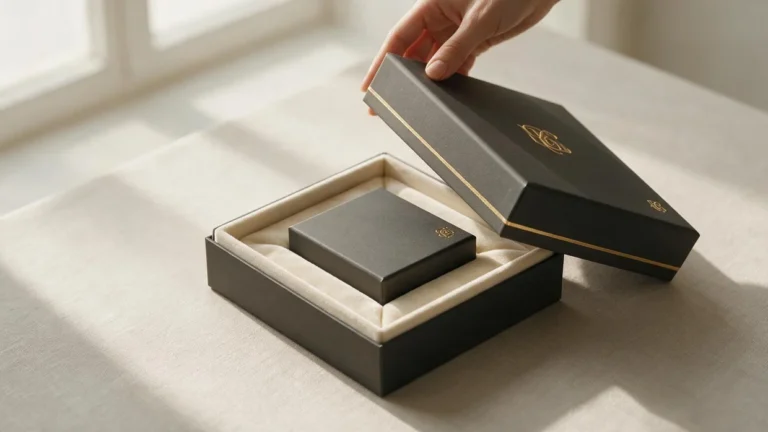
The most sophisticated packaging in 2026 combines multiple finishing techniques in a single design. A typical luxury box might feature a soft touch base, with a debossed logo filled with hot foil, selective spot UV on a secondary design element, and an interior lined with a micro-textured paper. Each surface tells a different part of the brand story — matte and gloss, smooth and textured, warm and cool.
Digital Printing and Variable Data Finishing
Digital finishing technologies are enabling personalization at scale. Digital foil applicators, inkjet spot UV units, and laser embossing heads can apply variable finishes to each individual box in a production run. This opens possibilities for personalized packaging — each customer receiving a box with their name embossed or a unique foil pattern — without the cost of dedicated dies.
Regulatory Landscape and What It Means for Your Packaging
European Union packaging regulations are tightening requirements for recyclability and recycled content. The PPWR (Packaging and Packaging Waste Regulation) will require all packaging to be recyclable by 2030, with specific restrictions on finishes that hinder recycling. Similar regulations are emerging in North America and Asia. Brands that invest in sustainable finishing technologies now will be ahead of compliance deadlines and avoid costly redesigns later.
Conclusion: The Future Is Tactile and Responsible
The 2026 surface finishing landscape is defined by two parallel imperatives: creating unforgettable tactile experiences and minimizing environmental impact. These are not opposing goals. The most innovative finishing solutions of 2026 prove that sustainable materials can deliver equal or superior tactile quality to their conventional counterparts.
For brands planning their packaging strategy, the message is clear: invest in finishing technologies that are both sensory and sustainable. The consumer of 2026 will accept nothing less.
Ready to elevate your packaging with premium surface finishing?
Contact Fancypackage today to explore our full range of surface finishing options — from soft touch coating and spot UV to precision foil stamping and eco-friendly alternatives. Our team will help you select the perfect finish combination for your brand.