
In the dynamic world of packaging and design, understanding different printing processes is crucial. At FANCY Packaging in Hangzhou, we pride ourselves on being at the forefront of utilizing these techniques to bring your brand’s vision to life. Let’s explore some of the most common printing processes that play a pivotal role in creating stunning packaging and printed materials.
1. Offset Printing
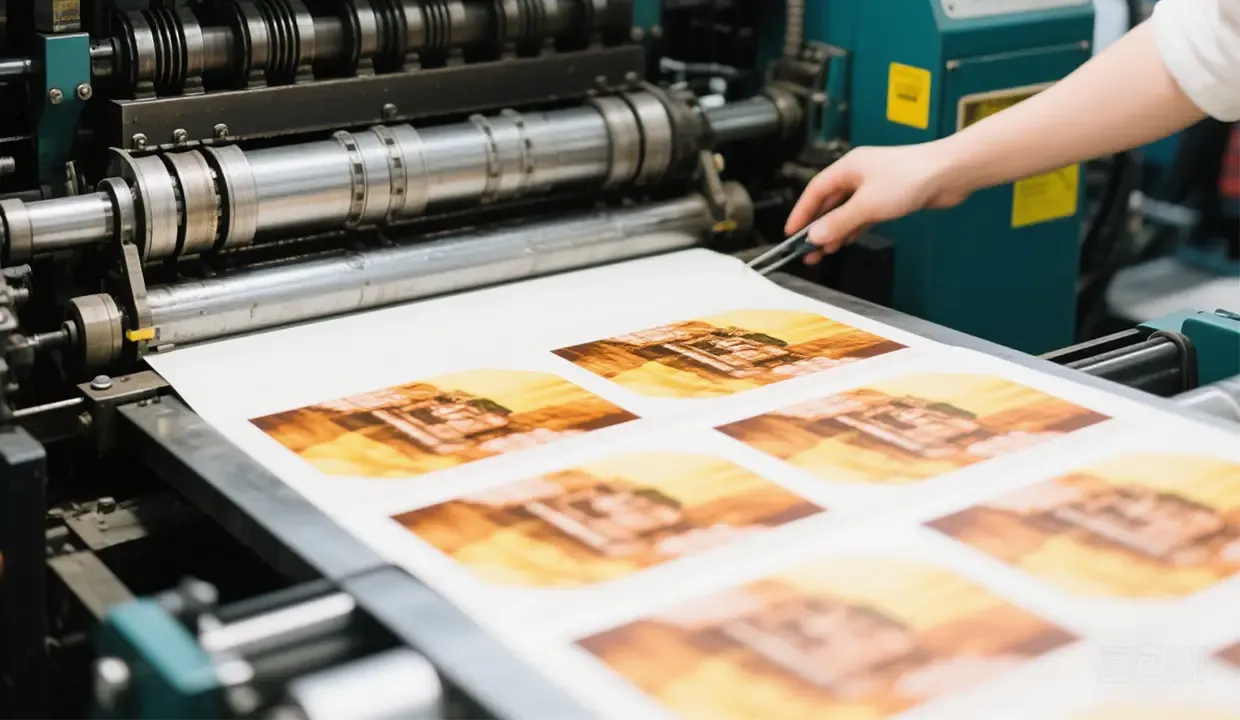
Offset printing remains one of the most widely used methods in the industry. The process involves transferring ink from a plate to a rubber blanket and then onto the printing surface. This indirect transfer ensures high – quality, sharp images and consistent color reproduction.
How it works:
- Plate Creation: A metal plate is etched with the desired image or text. The areas to be printed hold ink, while the non – printing areas are repelled by water.
- Ink Transfer: The plate is inked, and the ink is transferred to a rubber blanket. The blanket then presses against the paper, transferring the ink and creating the printed image.
- Color Separation: For full – color printing, the image is separated into cyan, magenta, yellow, and black (CMYK) plates. Each plate is printed sequentially to create a full – color composite.
Offset printing is ideal for large print runs, such as brochures, magazines, and high – volume packaging. It offers excellent color accuracy and is cost – effective for mass production.
2. Digital Printing
Digital printing has revolutionized the printing industry with its flexibility and speed. It allows for direct printing from a digital file, eliminating the need for plates. This makes it perfect for short – run projects, personalized printing, and quick turnarounds.
How it works:
- File Preparation: The digital file (e.g., PDF) is sent directly to the digital printer.
- Inkjet or Laser Technology: Digital printers use either inkjet or laser technology to deposit ink or toner onto the paper. Inkjet printers spray tiny droplets of ink, while laser printers use electrostatic charges to attract toner particles.
- Variable Data Printing: One of the key advantages of digital printing is the ability to print variable data. This means that each printed piece can have unique information, such as names, addresses, or personalized messages.
Digital printing is great for small batches of business cards, postcards, and customized packaging. It offers quick setup times and the ability to make last – minute changes to the design.
3. Screen Printing
Screen printing is a versatile technique that can be used on a variety of materials, including paper, fabric, plastic, and glass. It involves pushing ink through a mesh screen with a stencil onto the printing surface.
How it works:
- Screen Preparation: A mesh screen is stretched over a frame. A stencil is created on the screen, blocking the areas that should not be printed.
- Ink Application: Ink is poured onto the screen, and a squeegee is used to push the ink through the open areas of the screen onto the substrate.
- Multiple Layers: Screen printing allows for the application of multiple layers of ink, which can create a raised or textured effect. It is also suitable for printing fluorescent or metallic inks.
Screen printing is commonly used for t – shirt printing, promotional products, and packaging with bold, vibrant colors. It can create a durable and long – lasting print.
4. Flexography
Flexography is a popular printing method for packaging applications, especially for labels and flexible packaging. It uses a flexible relief plate to transfer ink onto the substrate.
How it works:
- Plate Making: A flexible plate is created using a photopolymer or rubber material. The image is etched or engraved onto the plate.
- Ink Transfer: The plate is inked by a roll, and then the ink is transferred to the substrate as the plate rotates. Flexography can use a variety of inks, including water – based and solvent – based inks.
- High – Speed Printing: Flexography is known for its high – speed printing capabilities, making it suitable for large – scale production. It can print on a wide range of materials, including paper, plastic films, and foils.
Flexography offers good color reproduction and is cost – effective for long print runs of packaging materials.
5. Gravure Printing
Gravure printing is a high – quality printing process that produces sharp, detailed images with excellent color saturation. It involves engraving the image onto a cylinder, which is then filled with ink and transferred onto the substrate.
How it works:
- Cylinder Engraving: The image is engraved onto a metal cylinder using a mechanical or electronic process. The depth of the engraving determines the amount of ink that will be transferred.
- Ink Application: The cylinder is dipped into an ink well, and a doctor blade removes the excess ink from the non – printing areas. The remaining ink in the engraved areas is then transferred to the substrate as the cylinder rotates.
- High – Volume Production: Gravure printing is ideal for high – volume printing of magazines, catalogs, and packaging materials. It can achieve very high printing speeds and is known for its consistent quality.
Gravure printing is often used for products where a high level of detail and color accuracy is required.
Conclusion
Each printing process has its own unique characteristics, advantages, and applications. At FANCY Packaging, our team of experts understands the intricacies of these processes and can help you choose the right one for your specific project requirements. Whether you need high – quality offset printing for a large – scale packaging run or the flexibility of digital printing for personalized items, we have the expertise and state – of – the – art equipment to deliver exceptional results. Contact us today to discuss your printing needs and let us bring your ideas to life with the perfect printing process.